TECHNOLOGY
What is Google Assistant?
JANUARY 9, 2018
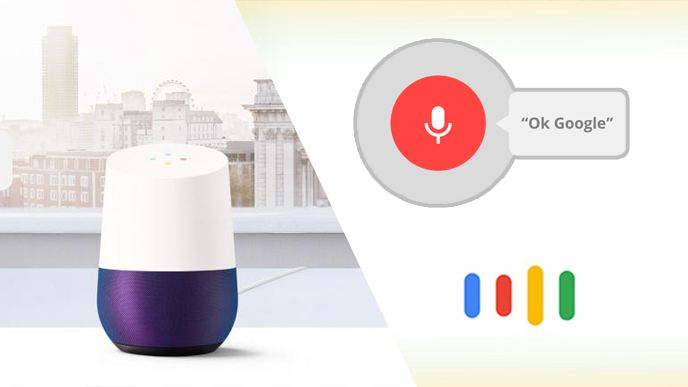
We have all heard about Amazon Alexa, Apple Siri, and Microsoft Cortana which has now been taken by Google with its own voice assistant: Google Assistant.
Google first revealed Assistant at Google I/O in May 2016, launched it on the Google Pixel and Pixel XL phones, and brought it to Google Home, and then Android Wear 2.0, before starting the rollout to other phones running Android Nougat.
Now, more than a year later, Google has introduced new hardware, all of which has Assistant built-in. There are new Pixel phones, Home speakers, and in-ear headphones.
Google Assistant is Google’s voice assistant. It has now grown out of Google Now, and is available on a range of recent Android devices and now the iPhone.
Which devices offer Google Assistant?
Google Assistant is available for Android Wear devices via Android Wear 2.0, Android TV via Nvidia Shield (which are soon to be Sony TVs), and Android Auto. Originally, Google said Assistant would be exclusive to the Pixel phones, but this soon changed, with the company confirming it would come to Marshmallow and Nougat devices also.
Since then, Assistant has also come in the devices like the LG G6, Samsung Galaxy S8, and OnePlus 5. However, the full experience is deeply integrated into the Pixel devices, so you’ll get an awful lot more out of it than you can on other Android devices.
Why Google Assistant?
Google believes that, just as the tech world moved from web to mobile, similarly the next stage in that evolution is to move from mobile to AI.
As hardware becomes more commoditized, smartphone manufacturers must compete on what they can provide through next-generation software and AI. Google Assistant is embedded in Google Pixel devices, but it also works in its smart chat app, Allo and is a key part of its smart home hub, Google Home.
Other companies are following a similar trajectory. Samsung recently purchased Viv Labs and plans in its devices and home appliances. Microsoft put Cortana in the Xbox One, and Apple is integrating Siri into more of its products as well.